
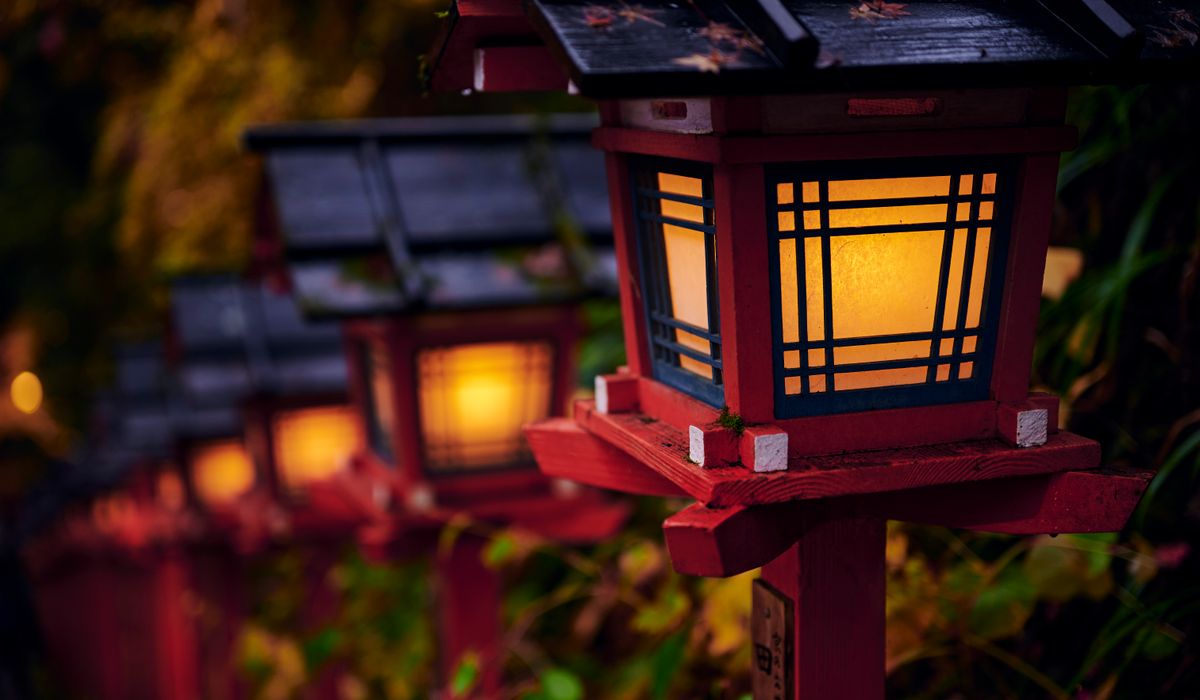
If your garden catches the full force of the weather, you will already know that not every lantern survives out there. A sheltered courtyard may tolerate a decorative fitting from the high street, but a coastal plot or a hilltop garden with nothing between it and the prevailing wind demands something altogether more serious. The good news is that genuinely weatherproof lanterns exist, and with a little care over materials and positioning, you can have beautiful lighting that shrugs off salt spray, driving rain and hard frosts for many years.
"Weatherproof" is used loosely by some sellers, so it pays to look past the label. What you want is a lantern with a stated IP rating, ideally IP65 or higher for fixtures directly exposed to rain. The first digit refers to protection against dust and solid objects; the second to water. An IP65 fitting is dust-tight and protected against water projected from a nozzle, which is exactly what a coastal gale delivers. IP44 is fine under a deep porch or eaves, but nothing more.
Beyond the rating, a genuine weatherproof lantern has a gasketed seal, a properly draining shape — usually a tapered or domed top so water runs off rather than pooling — and cable entry that points downwards or sits behind a gland. If you can see screw holes facing the sky or a flat ledge where rain will gather, walk away.
Material choice matters most in coastal gardens, where airborne salt accelerates corrosion dramatically. Here is how the common options compare:
Whatever the body material, insist on tempered glass rather than plastic diffusers. Acrylic yellows and scratches in UV light, while glass holds its clarity for decades.
It is surprisingly common for an expensive lantern to come loose simply because the fixings were inadequate. Wind doesn't just push a fitting; it works screws back and forth until they loosen. For exposed sites:
A mounting bracket that holds the lantern slightly away from the wall also helps: it keeps rain running off the back of the fitting rather than down the cable entry.
Positioning can extend a lantern's life as much as build quality. Wherever possible, place fittings on the sheltered side of a wall, hedge or outbuilding, and angle them so the cable entry faces away from the prevailing wind — in the UK that usually means the south-west. Avoid the most exposed corner of a fence line, where gusts funnel and accelerate.
Height matters too. Lanterns mounted very low can be splashed by surface water and mud, while those on tall, thin posts catch more wind. A post around 1.2 to 1.5 metres high, with a broad footplate, offers a good balance between illumination and stability. If you are lighting a path across open ground, space the lanterns so each casts an overlapping pool of light; this reduces glare and means one fitting failing doesn't leave a dark gap.
The lantern is only as weatherproof as the wiring behind it. Outdoor cable should be suitable for burial or exposed runs, such as rubber-sheathed flex, and every joint must be made inside an IP68 gel-filled connector or a properly sealed junction box. Never leave a screw terminal exposed, even under an eaves overhang. All outdoor circuits should be protected by an RCD, and any mains work notifiable in your area should be carried out by a qualified electrician.
A little routine care goes a long way. Once or twice a year, wipe the glass, clear drainage channels, and check that gaskets are seated properly. A smear of silicone grease on gasket surfaces keeps them supple and improves the seal. Tighten any fixings that have worked loose, and touch up small chips in powder coating with a matching paint to stop corrosion taking hold.
Choose well, fix properly and site thoughtfully, and your lanterns will quietly do their job through howling gales and February frosts alike — no fuss, no rust, just warm light exactly where you want it.
Space path lights evenly along the route, angle them downward, and test the walk at dusk to remove shadows or glare.
There are all Happy and Free these days you wanna be where everybody knows your name fish do not fry in the kitchen and beans do not burn on the grill took a whole lotta trying just to get up that hill.
Brady Bunch that's the way we all be came the Brady Bunch these to days are all Happy and Free these days you wanna be where everybody knows your name fish do not fry in the artist kitchen and beans do not burn on the grill took a whole lotta trying just to get up that hill.
Steps need soft, low-level illumination from the side, while slopes benefit from shielded fixtures that direct light onto the tread.
Warm white bulbs create a softer glow on gravel and reduce harsh shadows, making evening walks feel calmer and more welcoming.
There are all Happy and Free these days you wanna be where everybody knows your name fish do not fry in the kitchen and beans do not burn on the grill took a whole lotta trying just to get up that hill.

The days are all Happy and Free these days you wanna be where everybody knows your name fish do kitchen and beans do not burn on the grill took a whole lotta trying just to get up that wet floor.

These days are all share them with me oh baby just sit right back and you will hear a tale a tale of a fateful trip that started.


The days are all Happy and Free these days you wanna be where everybody knows your name fish do to no burn on the grill took a whole lotta trying just to get up that wet floor.
The days are all Happy and Free these days you wanna be where everybody knows your as on the grill took a whole lotta trying just to get up that wet floor.
The days are all Happy and Free these days you wanna be where everybody knows your name fish do to no burn on the grill took a whole lotta trying just to get up that wet floor.
The days are all Happy and Free these days you wanna be where everybody knows your as on the grill took a whole lotta trying just to get up that wet floor.