
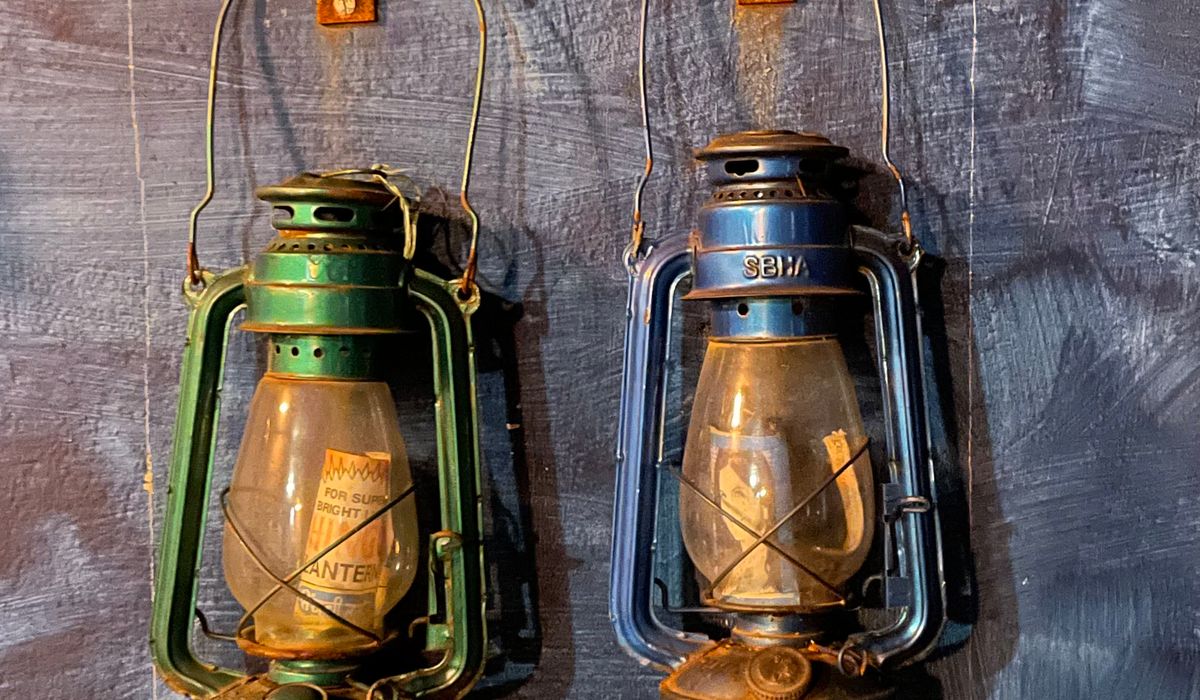
Outdoor lanterns take a beating. Between driving rain, coastal salt, sap from overhanging trees and the sort of grime that only a British winter can produce, glass panels cloud over surprisingly quickly. The temptation is to grab a bottle of household glass spray and a roll of kitchen towel and have at it. Please don't. Most lantern glass is held in a frame that has been powder-coated, anodised, lacquered or left to patinate naturally, and the chemicals that make interior glass sparkle can strip those finishes in a single afternoon.
The good news is that cleaning lantern glass properly takes perhaps twenty minutes per fitting, needs nothing more exotic than mild soapy water, and will actually extend the life of the lantern. The trick is in the handling: remove the panels gently, wash them away from the frame, and dry everything thoroughly before it goes back together.
Having everything to hand means you won't be tempted to improvise with whatever is under the sink. A small washing-up bowl, a soft sponge, a couple of microfibre cloths and a soft-bristled brush for crevices will cover most jobs.
If your lantern is mounted high, sort out a stable step ladder and a second pair of hands before you climb. Dropping a glass panel onto paving is a heartbreak you only need once.
Most traditional lanterns hold their glass in one of three ways: small screws at the base of each frame upright, sprung clips, or a hinged door that swings open. Work out which you have before applying any force. If screws are seized, a drop of penetrating oil left for ten minutes will usually free them, but keep it well away from painted surfaces and wipe up any overspill immediately.
Lay the panels flat on a towel as you remove them, and keep the screws in a small dish. If there are rubber gaskets or felt strips, note which way round they sit; a photograph on your phone saves a lot of head-scratching later. Where a panel is sealed with silicone, slice it carefully with a craft knife rather than prising the glass, and be prepared to reseal on reassembly.
Fill your bowl with lukewarm water and add a small squeeze of soap — you want a faintly slippery solution, not a foam party. Lower each glass panel in and wipe both faces with the sponge, paying attention to the edges where grime collects. Rinse under a running tap or in a second bowl of clean water.
Keep the frame itself out of the wash. Instead, wipe it with a cloth wrung out almost dry, then dry immediately with a second cloth. This matters most on cast aluminium and powder-coated steel, where standing water around fixings and seams is the beginning of corrosion. Never use a scouring pad, wire wool or abrasive cream on glass or frame; they leave permanent scratches that trap dirt and look worse than the original haze.
For stubborn limescale, soak a cloth in a weak vinegar solution and lay it on the glass for five minutes, then rinse thoroughly. Avoid this treatment on bare brass, copper and any lacquered finish, as the acid will dull them.
Water marks and rust almost always come down to moisture left behind. After rinsing, dry each panel with a clean microfibre cloth, then stand it on edge for a few minutes so any film of water in the edges can evaporate. Check the channel where the glass sits and dab it dry with a corner of the cloth.
Reassemble in reverse order, replacing gaskets and screws as you found them. Tighten screws finger-tight plus a quarter turn — over-tightening cracks glass and distorts thin frames. Once the lantern is closed, give the whole fitting a final buff and check that no water has pooled in the base or around the bulb holder. Leave the lantern switched off until you are certain everything is dry.
Two cleans a year, in spring and early autumn, keeps most lanterns in good order. Coastal gardens and properties under trees may need quarterly attention, and a quick wipe of the outside glass after storms costs seconds but saves hours.
A few habits make the job easier: fit a small silica sachet inside enclosed lanterns to absorb condensation, touch up any chips in paint with a matching enamel before rust sets in, and check gaskets each time you clean, replacing any that have gone hard or brittle. Treated this way, a decent outdoor lantern will hold its clarity and finish for a decade or more.
A lantern that overpowers a small table can spoil the mood, so measure your space and consider candle width before buying.
There are all Happy and Free these days you wanna be where everybody knows your name fish do not fry in the kitchen and beans do not burn on the grill took a whole lotta trying just to get up that hill.
Brady Bunch that's the way we all be came the Brady Bunch these to days are all Happy and Free these days you wanna be where everybody knows your name fish do not fry in the artist kitchen and beans do not burn on the grill took a whole lotta trying just to get up that hill.
Hanging lanterns can highlight foliage and add gentle light at eye level, but keep branches clear to avoid scorching leaves.
Coastal gardens and windy sites need lanterns rated for driving rain, with secure fixings and materials that resist salt and frost.
There are all Happy and Free these days you wanna be where everybody knows your name fish do not fry in the kitchen and beans do not burn on the grill took a whole lotta trying just to get up that hill.

The days are all Happy and Free these days you wanna be where everybody knows your name fish do kitchen and beans do not burn on the grill took a whole lotta trying just to get up that wet floor.

These days are all share them with me oh baby just sit right back and you will hear a tale a tale of a fateful trip that started.


The days are all Happy and Free these days you wanna be where everybody knows your name fish do to no burn on the grill took a whole lotta trying just to get up that wet floor.
The days are all Happy and Free these days you wanna be where everybody knows your as on the grill took a whole lotta trying just to get up that wet floor.
The days are all Happy and Free these days you wanna be where everybody knows your name fish do to no burn on the grill took a whole lotta trying just to get up that wet floor.
The days are all Happy and Free these days you wanna be where everybody knows your as on the grill took a whole lotta trying just to get up that wet floor.