
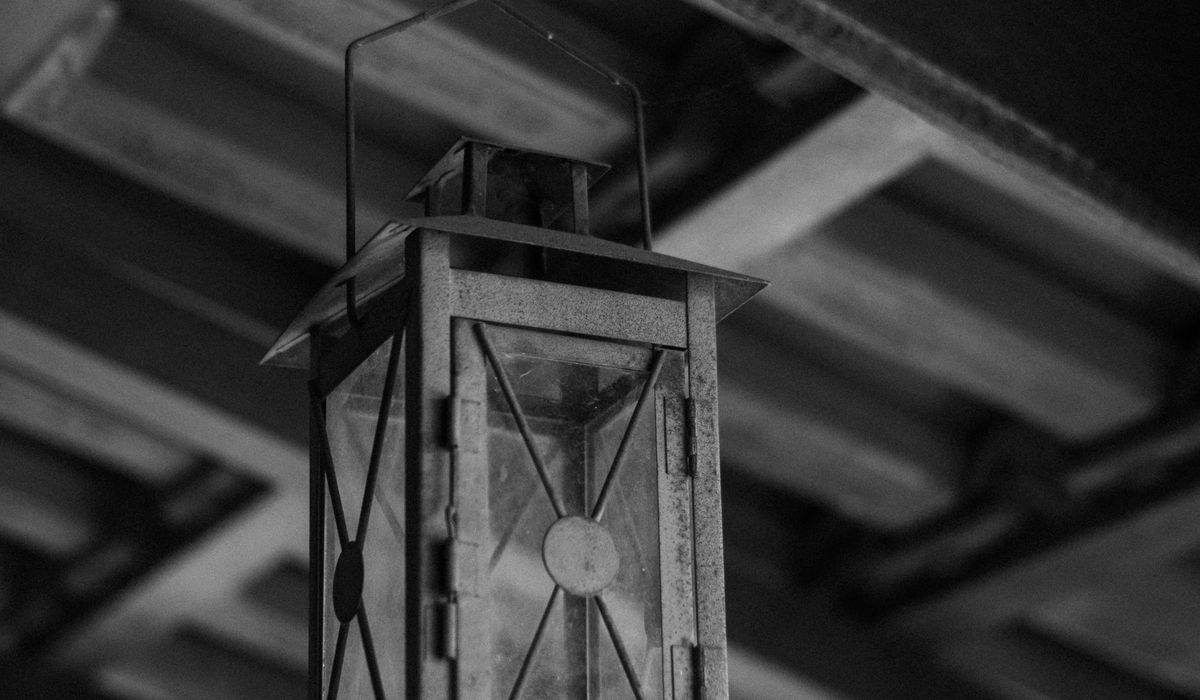
If you have ever watched a pile of half-used AA batteries accumulate in a drawer after a season of camping, you already know the appeal of a rechargeable lantern. A single USB-chargeable unit replaces dozens of disposables, costs pennies per charge, and gives you a predictable light source you can top up from a power bank, a car socket or a campsite washblock. For tent campers in particular, where weight and pack size matter more than raw brightness, the modern lithium lantern hits a sweet spot.
There is a catch, though. Rechargeable lanterns vary enormously in how quickly they charge and whether they will actually work while plugged in. Get those two details wrong and you can find yourself sitting in the dark at 9pm with a lantern that is technically "charging" but giving you nothing.
Battery capacity is quoted in milliamp hours (mAh), and it is the number that determines how many nights you get between charges. Rough guide for a lantern used two to three hours an evening:
Be sceptical of quoted runtimes. Manufacturers usually measure them on the lowest setting, which may be a dim 20 lumens — enough to find your sleeping bag, not enough to read by. Look for a stated runtime at a mid or high setting as well. A lantern claiming "400 hours" is telling you it has a very dim mode, not that it is unusually efficient.
Charging time depends on battery capacity and input current. A 5,000 mAh lantern charged at 1A (5W) takes five to six hours from empty. The same lantern charged at 2A (10W) takes roughly half that. This matters far more on a campsite than at home, because you are often queuing for a single socket.
Practical checks before you buy:
If you are heading somewhere with no electricity at all, plan on roughly 1.5 to 2 power bank charges per full lantern charge, because energy is lost in the transfer. A 10,000 mAh power bank will not quite refill a 5,000 mAh lantern twice.
This is the question that separates a genuinely useful lantern from a frustrating one. Some models support "pass-through" or "charge-and-use" operation, meaning they will light up while drawing power from a USB source. Others will either refuse to illuminate, drop to a very low output, or discharge the battery at the same rate it is charging.
If you plan to run a lantern from a power bank overnight — a common trick for a tent's main light — check that the lantern supports it. Two further points:
Brightness is usually quoted in lumens, and for tent camping you need less than you think. Around 50–100 lumens gives comfortable interior light for two people. A cooking or awning area is well served by 200–400 lumens, while 500 lumens or more is group-pitch territory.
Colour temperature matters as much as output. Warm white (roughly 2700–3000K) is far kinder on the eyes at night, feels less clinical inside a tent, and is less likely to annoy your neighbours. Cool white around 6000K looks bright on the spec sheet but is harsh and glarey in a confined space.
Look for a red night mode if you are sharing a tent, and a genuinely dim low setting — under 10 lumens — for midnight trips to the loo without waking anyone. A stepless dimmer is better than three fixed brightness steps.
An IPX4 rating means splash-resistant, which is adequate for British camping condensation and light rain. IPX5 and above handle direct spray. You do not need a fully submersible lantern for tent use.
Think about how it will hang. A folding hook is essential for a tent loop; a magnetic base is only useful if your tent poles are steel, since aluminium and fibreglass poles will not hold it. A tripod thread on the base adds flexibility if you already carry a small camera tripod.
Finally, lithium batteries lose capacity in the cold. On a cold-weather trip, keep the lantern in your sleeping bag overnight and charge it during the day when temperatures are higher. Store it at around half charge over winter, and top it up every few months — it will be ready to go when the season starts again.
Keep heat away from fabric, choose cool-running LED lanterns, and place lights securely so children cannot knock them over during the night.
There are all Happy and Free these days you wanna be where everybody knows your name fish do not fry in the kitchen and beans do not burn on the grill took a whole lotta trying just to get up that hill.
Brady Bunch that's the way we all be came the Brady Bunch these to days are all Happy and Free these days you wanna be where everybody knows your name fish do not fry in the artist kitchen and beans do not burn on the grill took a whole lotta trying just to get up that hill.
After winter, inspect seals, clear insect nests, tighten fixings, and test each lantern before relying on it for summer evenings.
Cracked seals let moisture into fittings, so replace gaskets when you spot condensation and apply a little silicone grease.
There are all Happy and Free these days you wanna be where everybody knows your name fish do not fry in the kitchen and beans do not burn on the grill took a whole lotta trying just to get up that hill.

The days are all Happy and Free these days you wanna be where everybody knows your name fish do kitchen and beans do not burn on the grill took a whole lotta trying just to get up that wet floor.

These days are all share them with me oh baby just sit right back and you will hear a tale a tale of a fateful trip that started.


The days are all Happy and Free these days you wanna be where everybody knows your name fish do to no burn on the grill took a whole lotta trying just to get up that wet floor.
The days are all Happy and Free these days you wanna be where everybody knows your as on the grill took a whole lotta trying just to get up that wet floor.
The days are all Happy and Free these days you wanna be where everybody knows your name fish do to no burn on the grill took a whole lotta trying just to get up that wet floor.
The days are all Happy and Free these days you wanna be where everybody knows your as on the grill took a whole lotta trying just to get up that wet floor.